

The journal · A closer look
6 surprising heart-health stories that put blood flow in a new light
An explosive, a president, a tiny gas, and a cyclist at 105. The history of heart health has a few surprises.

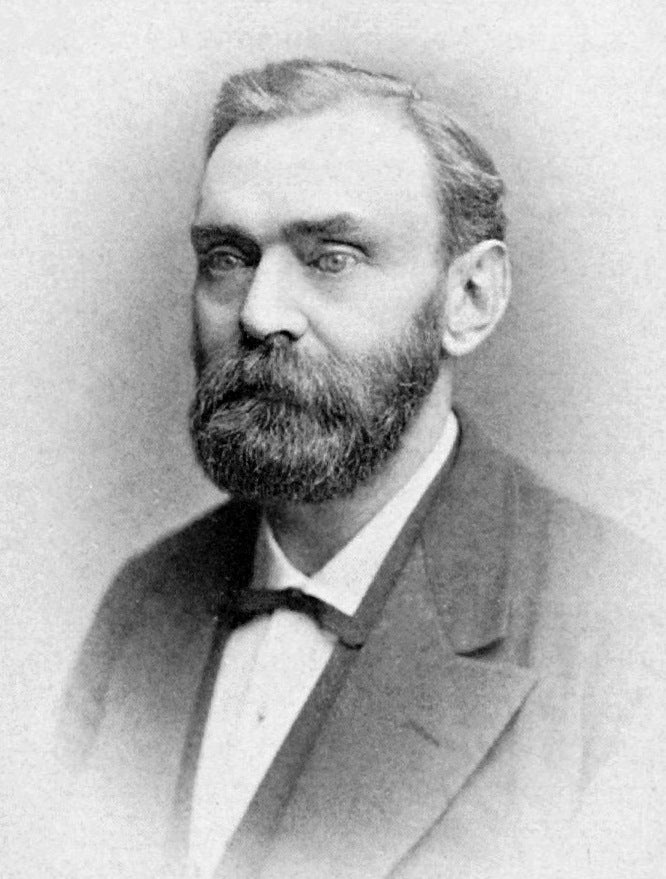
The heart-health story did not begin with a smartwatch.
Long before there were readings on a screen, people were trying to understand what moved through the body, why it mattered, and how to keep it moving.
Nobel’s strange prescription
Alfred Nobel worked with nitroglycerin in explosives. Later, the same substance was prescribed for his heart.
Doctors used nitroglycerin for angina long before they understood the full reason it worked. The missing part was nitric oxide, a gas that can signal blood vessels to relax.
The lesson: a tiny signal can change what a blood vessel does. That signal is one reason nitric oxide still appears in conversations about healthy blood flow.
“Age” used to settle it
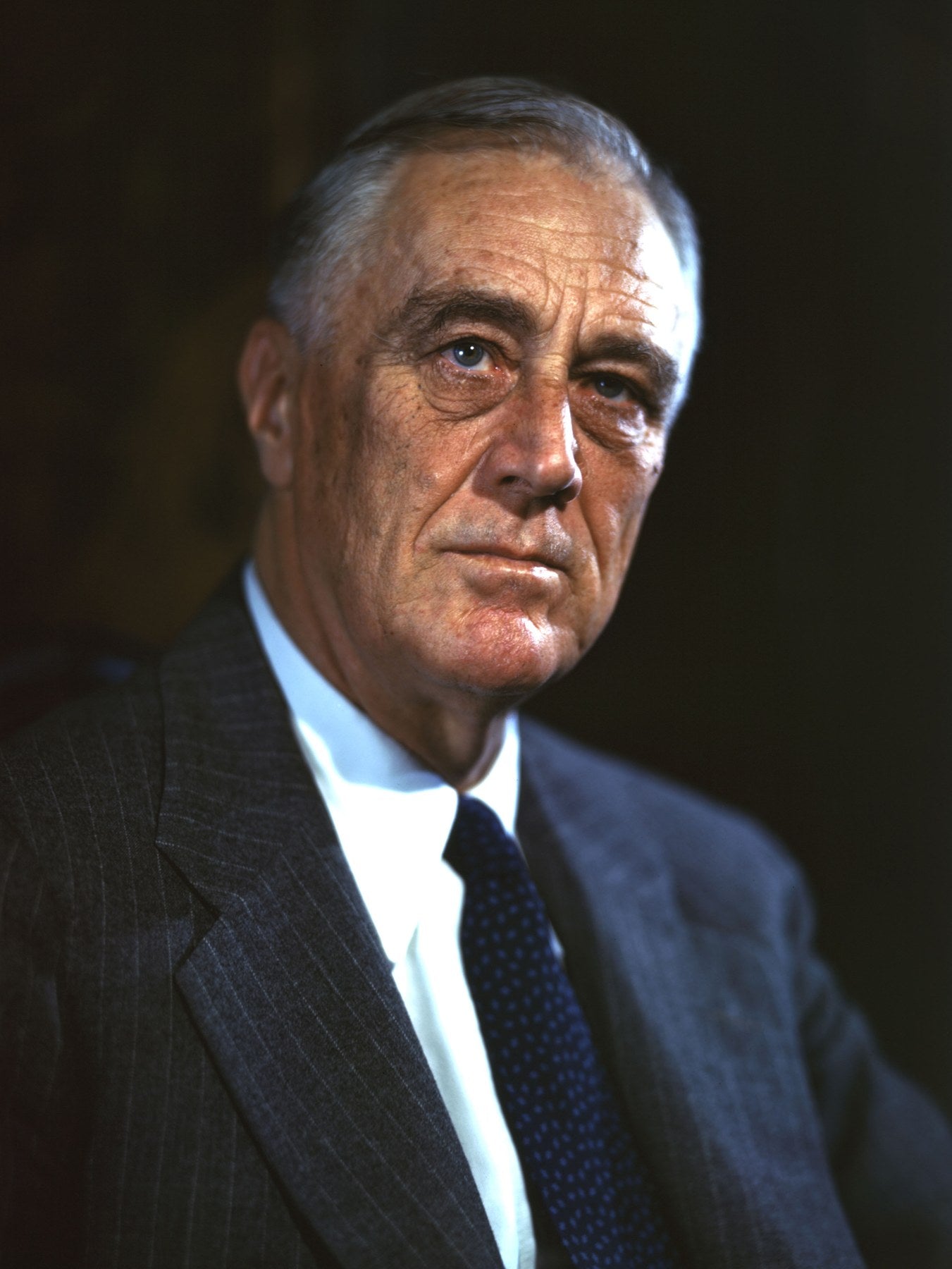
In Franklin D. Roosevelt’s time, high blood pressure was often viewed very differently from the way it is now.
His presidential health records tell a story of serious hypertension during an era with far fewer useful treatments. What once seemed acceptable became a problem medicine learned to take much more seriously.
The lesson: “getting older” is a description. It does not have to be the end of the question.
The age of the leech

For centuries, bloodletting was a common medical practice. Leeches were part of it. In the nineteenth century, they were used on an enormous scale.
The thinking came from old ideas about balancing the body’s fluids. Modern understanding of circulation took the story in a different direction: toward what blood carries, how vessels behave and the signals that help them relax.
The lesson: blood has always held people’s attention. Understanding how it moves was the more useful breakthrough.
An old question travels
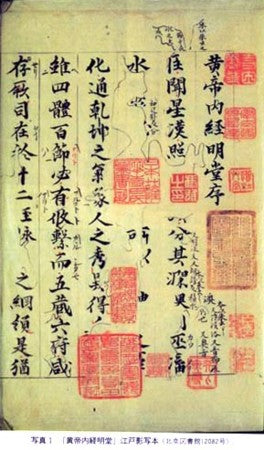
The Huangdi Neijing, often called the Yellow Emperor’s Inner Classic, is one of the foundational texts of Chinese medicine. It discusses the pulse, vessels and movement through the body.
The text was compiled over time. Its name belongs to a medical tradition, rather than a record of one emperor discovering modern circulation.
The lesson: caring about blood flow is an old idea. Today we can bring better tools and clearer explanations to it.
A cyclist at 105
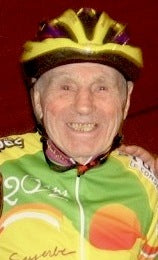
In January 2017, Robert Marchand rode more than 22 kilometres in an hour at the age of 105.
The velodrome gave him a measured distance. His birthday gave him an extraordinary place in the record books.
The lesson: a birthday cannot describe the whole of a person’s capacity. The life being lived still matters.
A walk across America at 70

Edward Payson Weston set off from New York on his seventieth birthday in 1909. He walked across the country to San Francisco.
It is another reminder that a birthday does not tell the whole story of a person’s capacity.
The long view

The Nun Study followed 678 Catholic sisters to learn about ageing and brain health. Its strength was the long view: lives, health records and changes observed over time.
Researchers could ask questions that one test on one afternoon could never answer.
The lesson: look at the person over time. A single number and a single birthday tell only part of the story.
THE BLOOD-FLOW CONNECTION
The thread running through these stories

Blood carries oxygen and nutrients around the body. Nitric oxide is a signal that helps blood vessels relax.
Two familiar plants worth a closer look
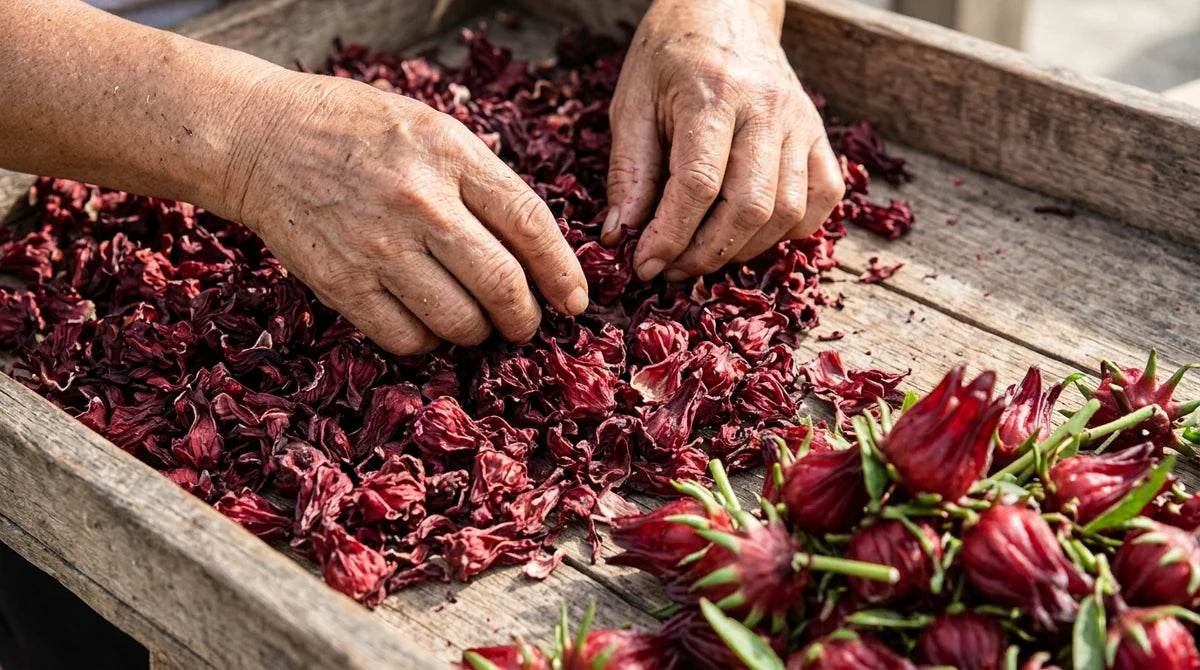
Beetroot contains dietary nitrate, which your body can turn into nitric oxide. Hibiscus has its own blood-pressure research.
Steadia brings both plants together in one fruit-flavoured drink.
TWO PLANTS. ONE GLASS.
Beetroot + hibiscus. Together.
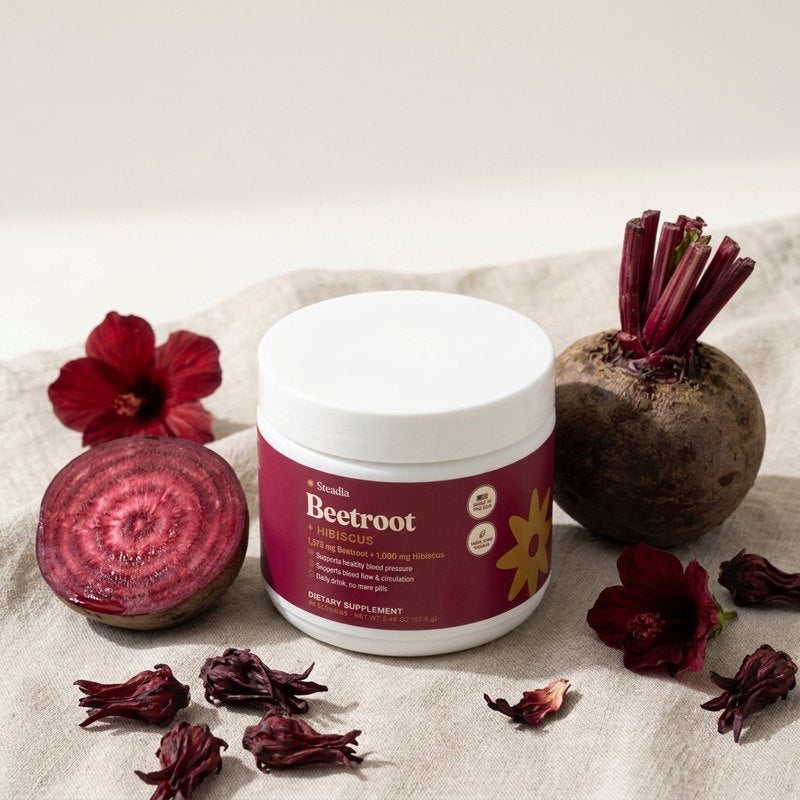
Healthy blood pressure, blood flow and circulation support in one easy-to-mix drink.
Per scoop · 500 mg apple juice powder for flavour · 30 servings per jar
A simpler way to bring both plants together

| Your choice | The plants | The prep |
|---|---|---|
| Beet juice | Beetroot | Juice, then clean |
| Hibiscus tea | Hibiscus | Brew a cup |
| Steadia | Beet + hibiscus | Scoop + cold water |
Full ingredient label · Jar choices · 90-day money back
BUY 2, GET 1 FREE
STEADIA BEETROOT + HIBISCUS
Give blood flow a place
Beetroot + hibiscus for healthy blood pressure, blood flow and circulation.* Three jars, with 30 servings in each.

$26.65 per jar
- 90 servings in total
- Free shipping in the lower 48 US states
- One-time purchase available
90-day money back.
Even if the jars are empty.
THE CONVERSATION CONTINUES
Questions & answers
A few useful answers before you choose.
Is this another capsule?
It is a drink. Mix one scoop in 6–8 oz of cold water or another drink. Each jar holds 30 servings.
What is in a scoop?
1,375 mg beetroot powder, 1,000 mg hibiscus flower powder and 500 mg apple juice powder, plus stevia and maltodextrin. The next page shows the full label.
Do I have to subscribe?
No. One-time purchase is the default. You can choose the jar option that suits you on the next page.
What is the offer?
Buy 2, get 1 free: 3 jars for $79.95 USD. That is $26.65 per jar, with free shipping in the lower 48 US states.
What if I have finished the jars?
Your order comes with 90-day money back, even if the jars are empty. Contact support@trysteadia.com for help.
Sources & image credits
- Edward Payson Weston — Encyclopaedia Britannica
- Beetroot, dietary nitrate and blood flow — research review
- Hibiscus and blood pressure — research review
- Nitroglycerin and nitric oxide — Nobel Prize laureate Ferid Murad interview
- The 1998 Nobel Prize — discoveries about nitric oxide
- FDR’s health — Franklin D. Roosevelt Presidential Library
- Leech therapy: a history
- The anatomical and physiological knowledge of the Huangdi Neijing authors
- Robert Marchand, 105-plus cycling record, January 2017
- The Nun Study: insights from 30 years of ageing research
- Alfred Nobel portrait — unknown photographer, public domain
- FDR portrait — Leon Perskie / FDR Presidential Library, CC BY 2.0
- Creative Commons Attribution 2.0 licence
- Yellow Emperor manuscript illustration — public domain
- Robert Marchand portrait — Marcel Segessmann, CC BY-SA 3.0; unmodified source
- Creative Commons Attribution-ShareAlike 3.0 licence